Speakers
Dr. Christina Vlachou
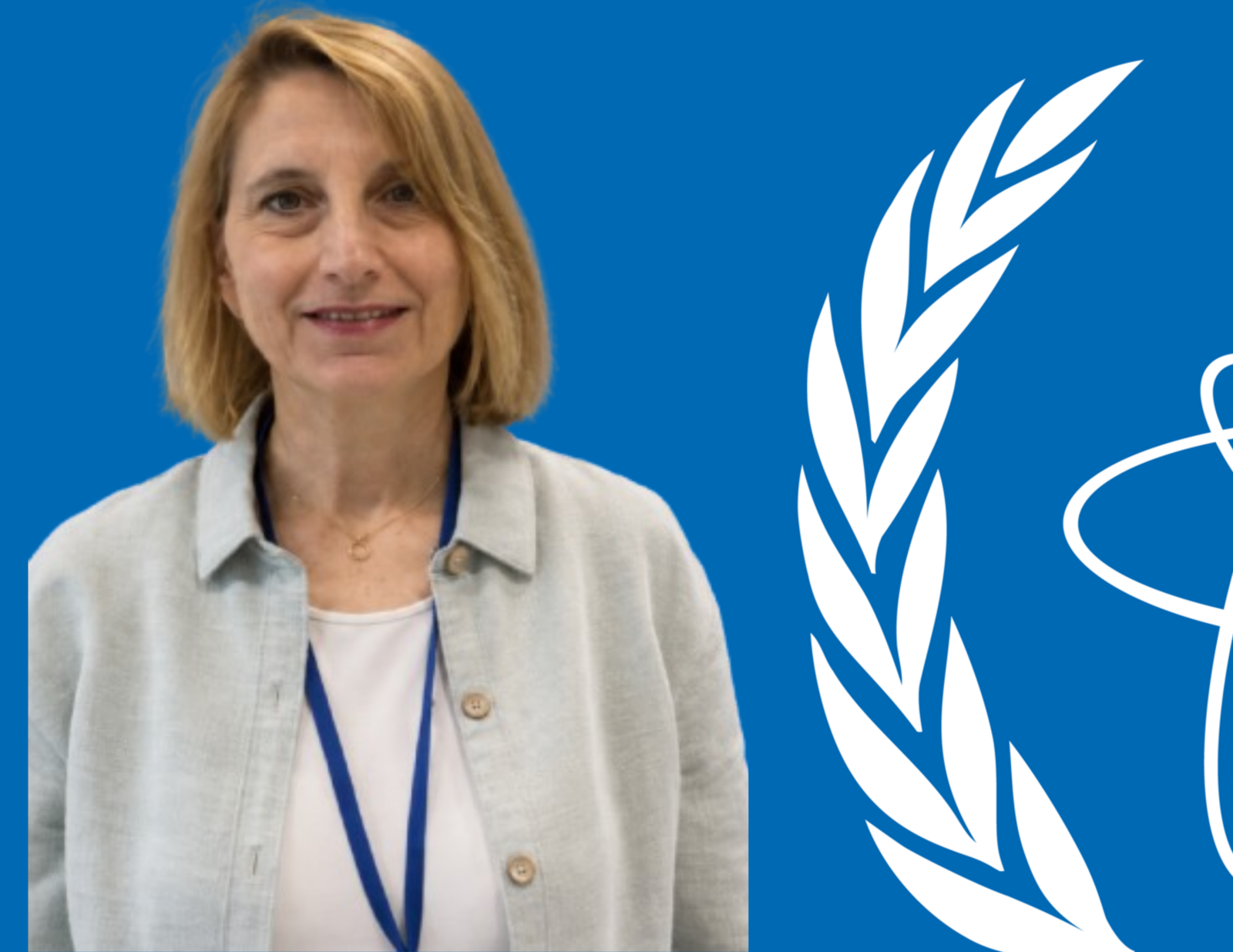
Dr. Christina Vlachou is the head of the Food Safety and Control Laboratory of the Joint FAO/IAEA Centre of Nuclear Techniques in Food and Agriculture. Christina has a background in Chemistry, Toxicology, and Quality Assurance, along with longstanding experience in food control acquired in her previous position at the General Chemical State Laboratory of Greece. She has been awarded fellowships in food toxicology and risk assessment from the European Food Safety Authority (EFSA) and from the Federation of European Toxicologists & European Societies of Toxicology (EUROTOX).
Her laboratory within the Joint FAO/IAEA Centre assists countries in improving analytical and regulatory practices and methodologies in the areas of food safety, authenticity, and traceability, thus safeguarding the health of consumers, facilitating international trade, and enhancing food security. This is achieved through applied research and method development, technology transfer, and the provision of data and expertise to support the establishment of international standards and guidelines. Christina is leading several research and capacity-building projects aiming to support countries in adopting robust isotopic and nuclear techniques in food testing within official control programmes
“From Source to Table: Isotope Fingerprints Safeguarding the Global Food Supply”
Dr. Federica Camin
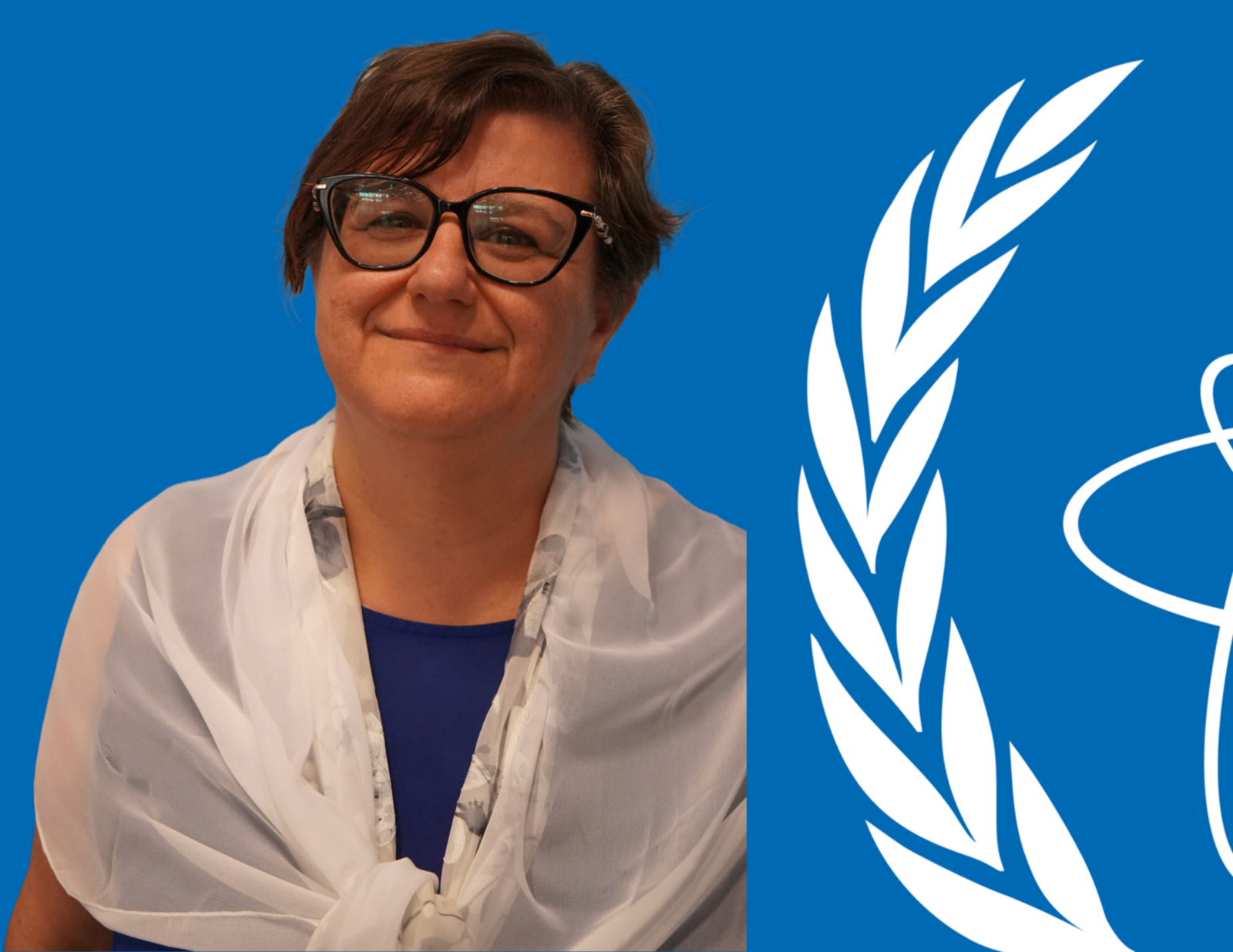
Federica Camin is a Reference Material Specialist at the International Atomic Energy Agency (IAEA, Austria), Professor of Analytical Chemistry at the University of Trento (Italy), and a former Head of the Traceability Laboratory at Fondazione Edmund Mach (Italy). Her research focused on the application of stable isotope ratio analysis to determine the geographical origin, authenticity, and quality of agri-food products and to detect food adulteration and fraud. At the IAEA, she promotes the global metrological traceability of stable isotope measurements through the development of certified reference materials, the organization of proficiency tests and training activities, and the facilitation of international expert consensus. She has authored more than 180 peer-reviewed publications (Scopus H-index: 44) and was recently awarded the CITAC Best Paper Award 2025.
“Stable Isotope Ratio Analysis to Determine the Geographical Origin of Timber“
Dr. Gabriel Bowen
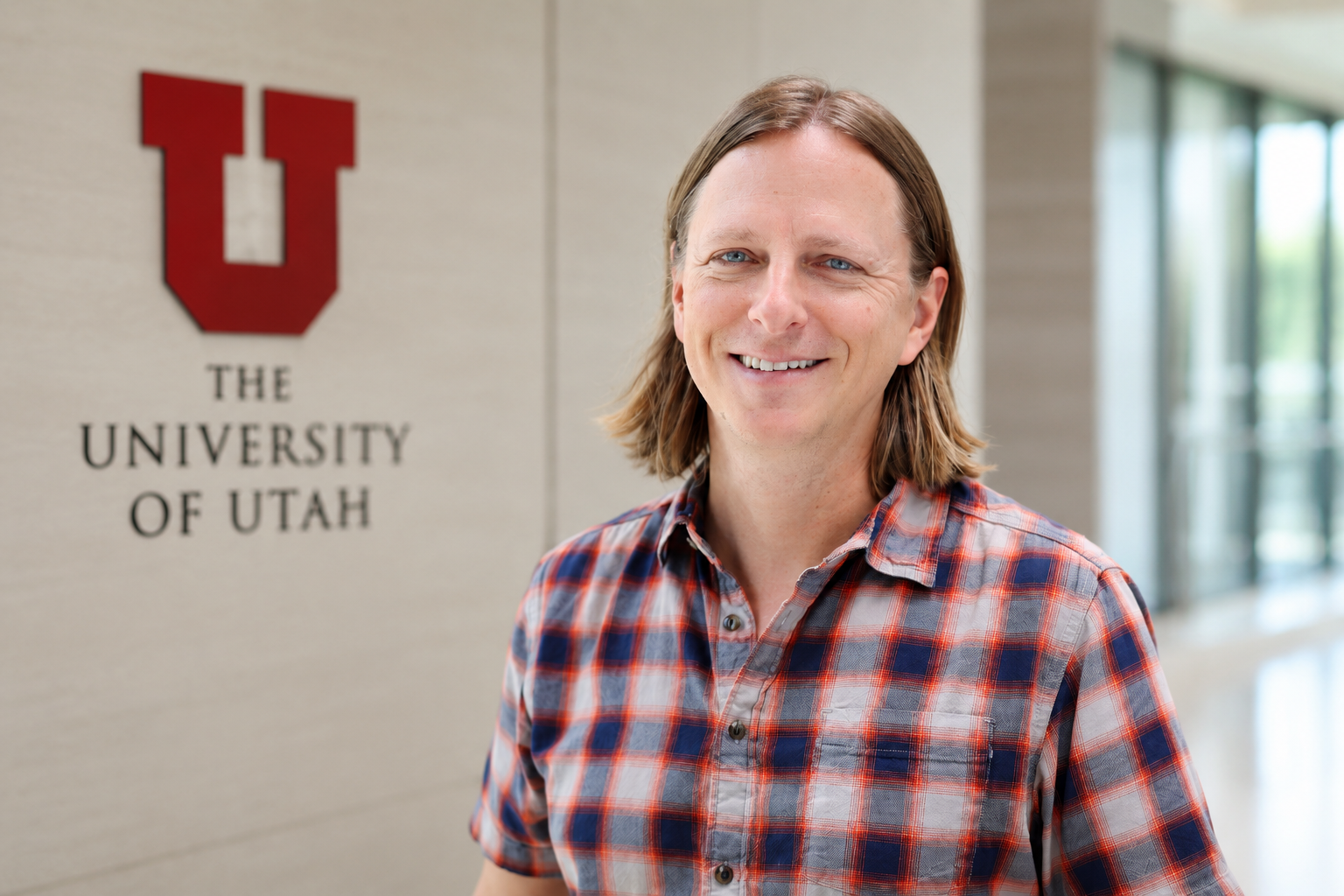
Gabriel Bowen is a Professor of Geology and Geophysics at the University of Utah, where he leads the Spatio-temporal Isotope Analytics Lab (SPATIAL) and the SIRFER stable isotope facility. His research uses spatially and temporally resolved geochemical data to investigate Earth system processes ranging from coupled carbon and water cycle change in the geologic past to the movements of modern and recent humans. He is the author of more than 200 peer-reviewed papers and book chapters, and his work has been supported by more than $16 million in grants from the US National Science Foundation and other agencies and foundations. In addition to his fundamental research, he has played a leading role in developing cyberinfrastructure and training programs that support diverse, cross-disciplinary applications of environmental geochemistry ‘big data’. He is a Fellow of the American Geophysical Union, Geological Society of America, Geochemical Society, and Kavli Frontiers of Science program, and a recipient of the American Geophysical Union’s 2012 James B. Macelwane Medal. In 2027, he will join the University of Ottawa as the Canada Impact+ Chair in Applied Isotope Chemistry.
“Foundations of Process-Based Isotopic Fingerprinting”
Dr. Jonathan Pauli
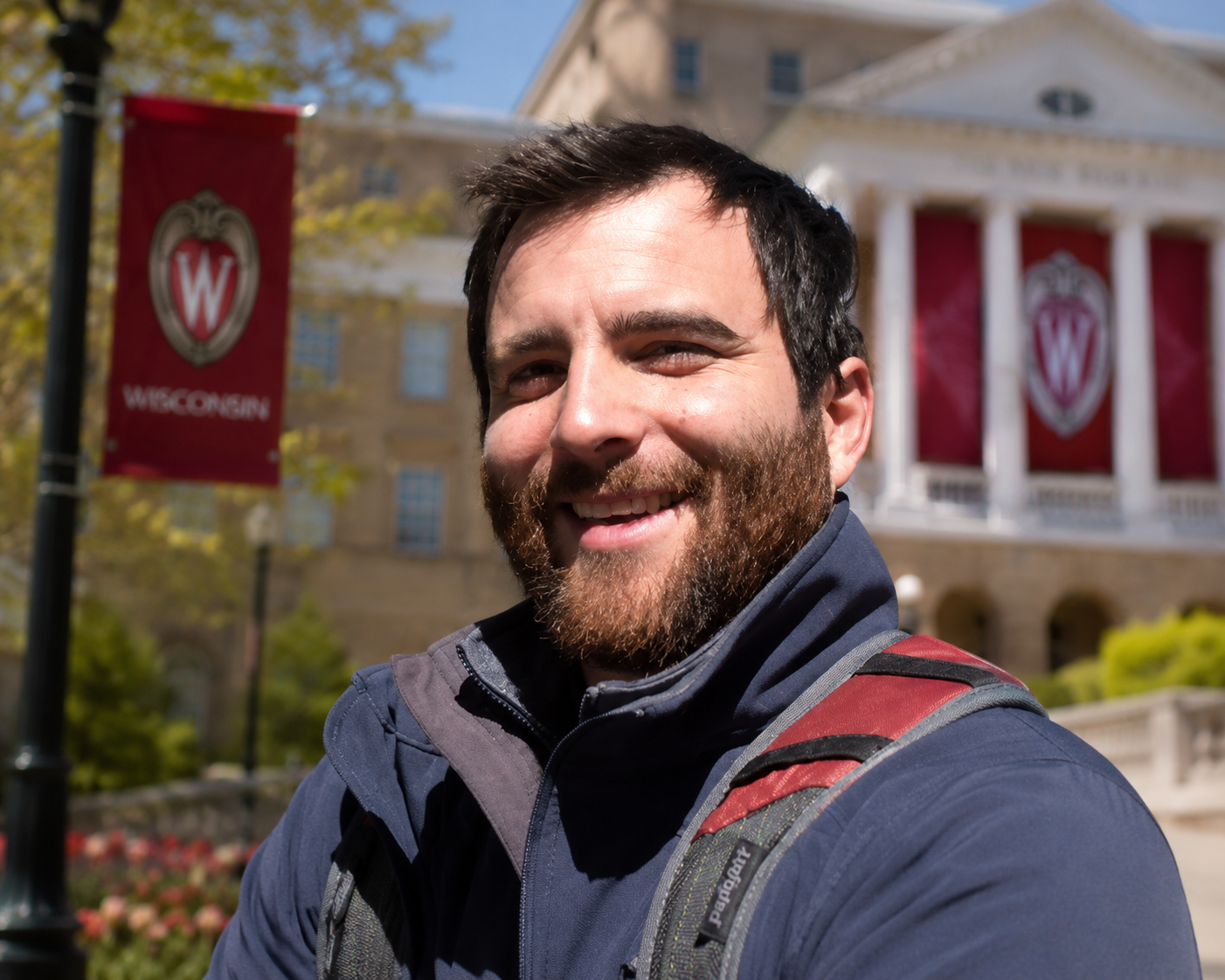
Dr. Jon Pauli is a professor in the Department of Forest and Wildlife Ecology at UW–Madison. As an Ecologist specialized in mammalian ecology and conservation, he assesses the effects of large-scale human disturbances and landscape change on mammalian species. He approaches these questions through a combination of fieldwork, laboratory experimentation, and mathematical modeling.
“Anthropogenic Subsidies: How Human Foods Impact Animal Ecology“
Dr. Jake Vander Zanden
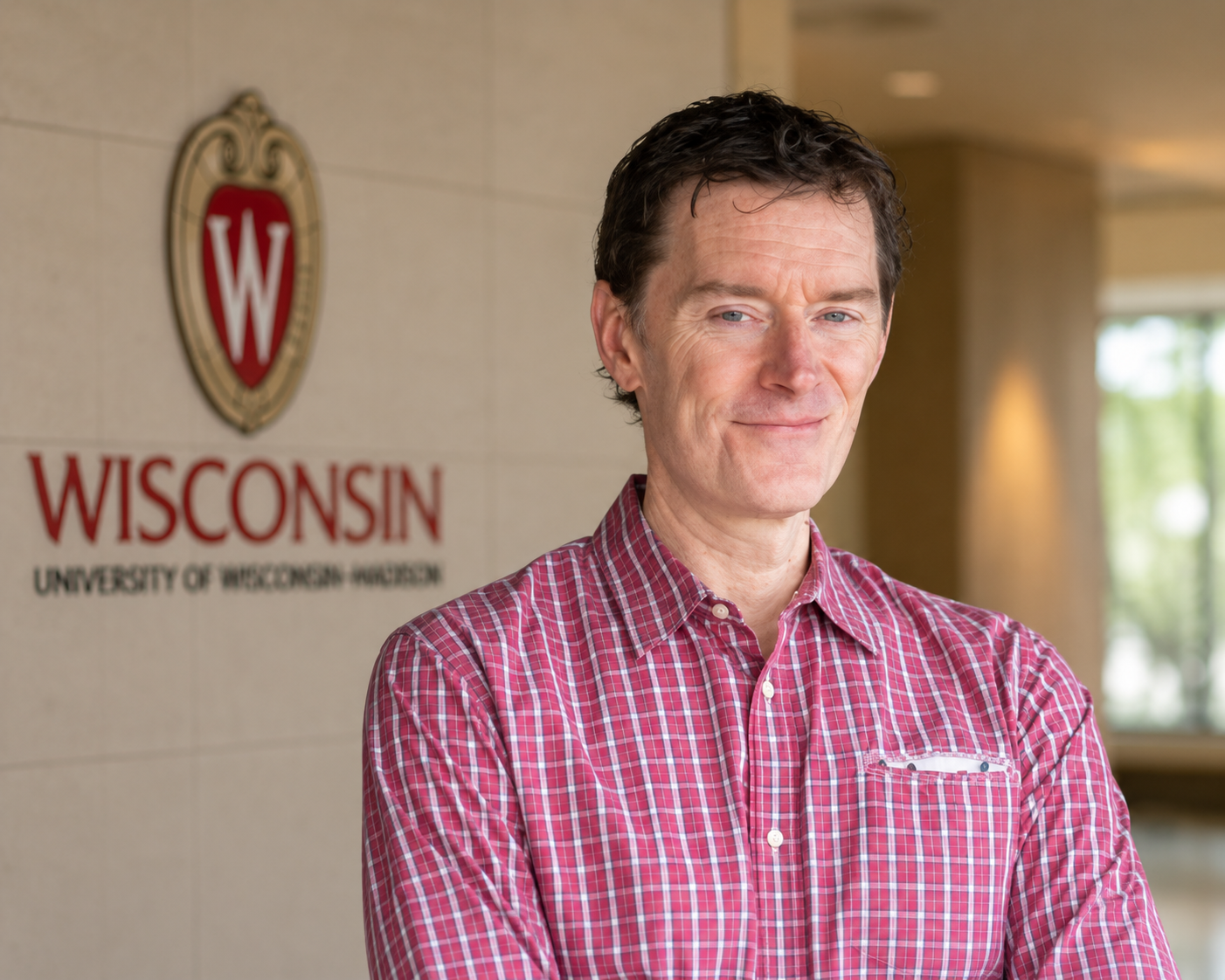
Jake Vander Zanden is the Director of the Center for Limnology and Professor of Biology at UW–Madison. His research program focuses on the factors that degrade freshwater ecosystems. He has authored >170 scientific studies on a wide range of topics, including lake food webs, water quality, invasive species, climate change impacts, and fisheries. His research has used stable isotopes as a tool for understanding human impacts and ecosystem change in lakes in Wisconsin and around the world.
“Use of Stable Isotopes to Understand Lake Food Webs“
Lesley Chesson
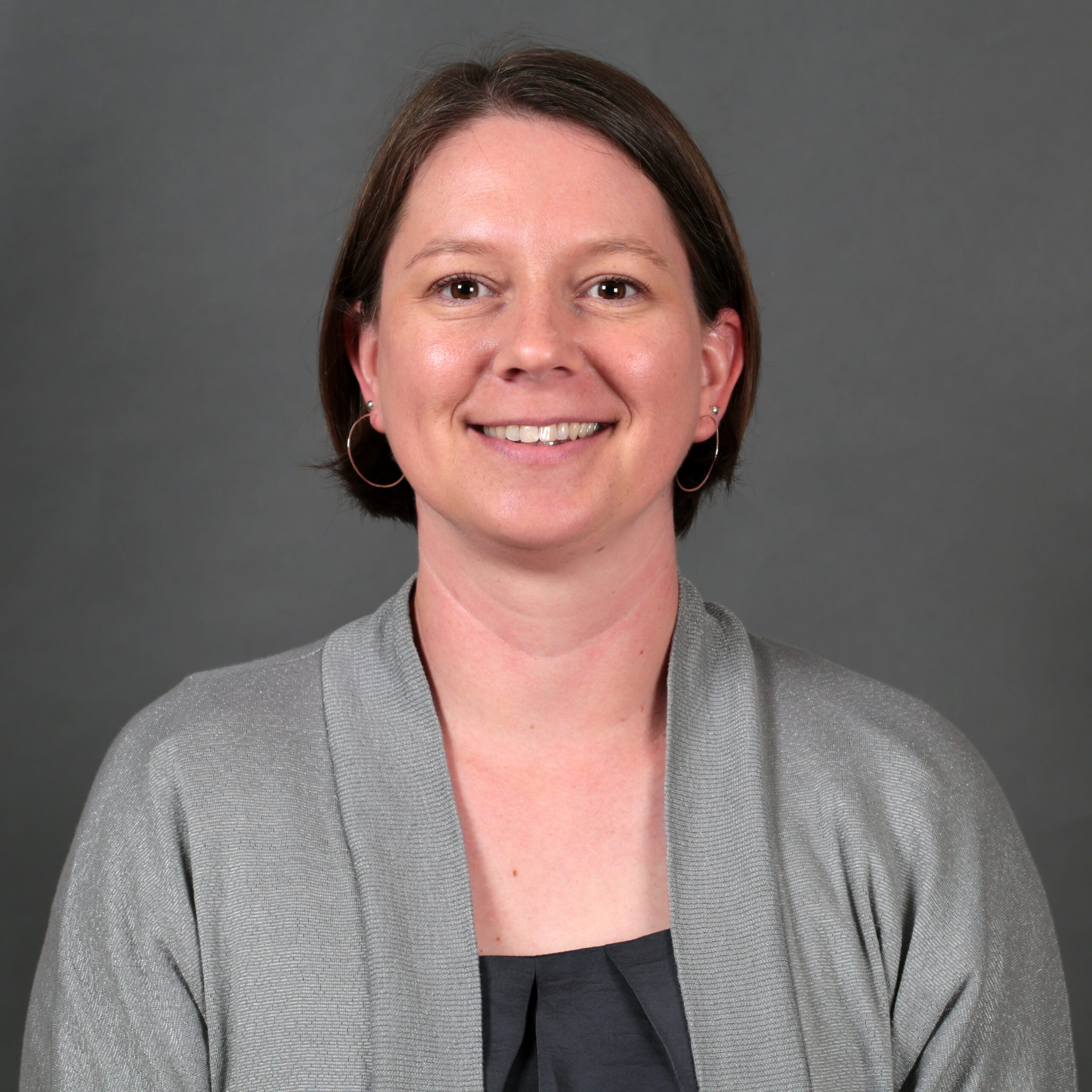
Lesley Chesson is a forensic chemist working at the Defense POW/MIA Accounting Agency (DPAA) Laboratory in Hawaii. She is a biologist by training with 20+ years’ experience using isotope forensic techniques and has published more than 75 peer-reviewed journal articles and book chapters. She is currently a laboratory manager responsible for developing, directing, and maintaining a state-of-the-art isotope testing program at the DPAA to examine human remains (e.g., bone, teeth, hair). She is a member of the Forensic Isotope Ratio Mass Spectrometry (FIRMS) Network and an invited member of its Steering Group.
“Stable Isotope Analysis in Forensic Science“
Dr. Paramsothy Jeyakumar
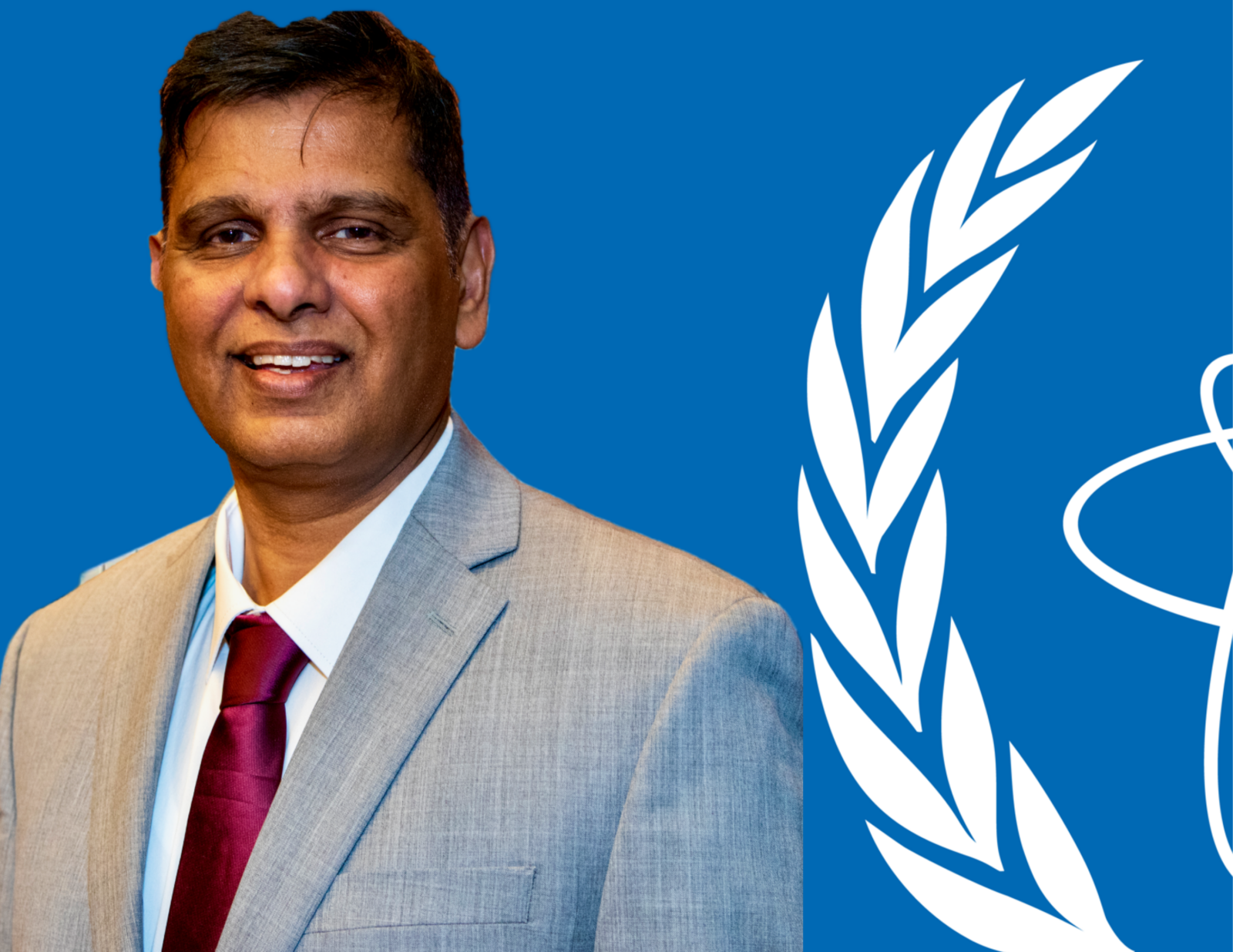
Dr. Paramsothy Jeyakumar is a Soil Scientist and Plant Nutritionist with the International Atomic Energy Agency (IAEA), where he leads and advances the application of stable isotope and nuclear techniques to address global challenges in soil health, nutrient management, climate resilience, and sustainable food production. His work reveals the hidden processes governing soil–plant–water interactions and transforms scientific understanding into evidence-based solutions that support Member States through innovative research, capacity development, and international partnerships. Before joining the IAEA, Jeya served as an Associate Professor at Massey University, New Zealand, where he developed internationally recognized research programmes and mentored the next generation of scientists, including more than 20 PhD candidates and 25 Master’s students. He also contributed to internationally recognized initiatives with organizations including UNIDO and IWMI. He has authored more than 100 peer-reviewed publications, received approximately 3,000 citations, and established collaborative research networks spanning multiple regions of the world. A leading voice in the fields of soil health, nutrient cycling, soil carbon dynamics, greenhouse gas mitigation, and environmental sustainability, Jeya bridges advanced scientific innovation with policy and development priorities. Through his work, he is committed to advancing sustainable agricultural systems and delivering impactful solutions aligned with the vision of Atoms for Peace and Development.
“Tracking Soil–Water–Nutrient Dynamics: Isotope and Nuclear Tools for Smarter Cropping Systems“
Dr. Rola Bou-Khozam
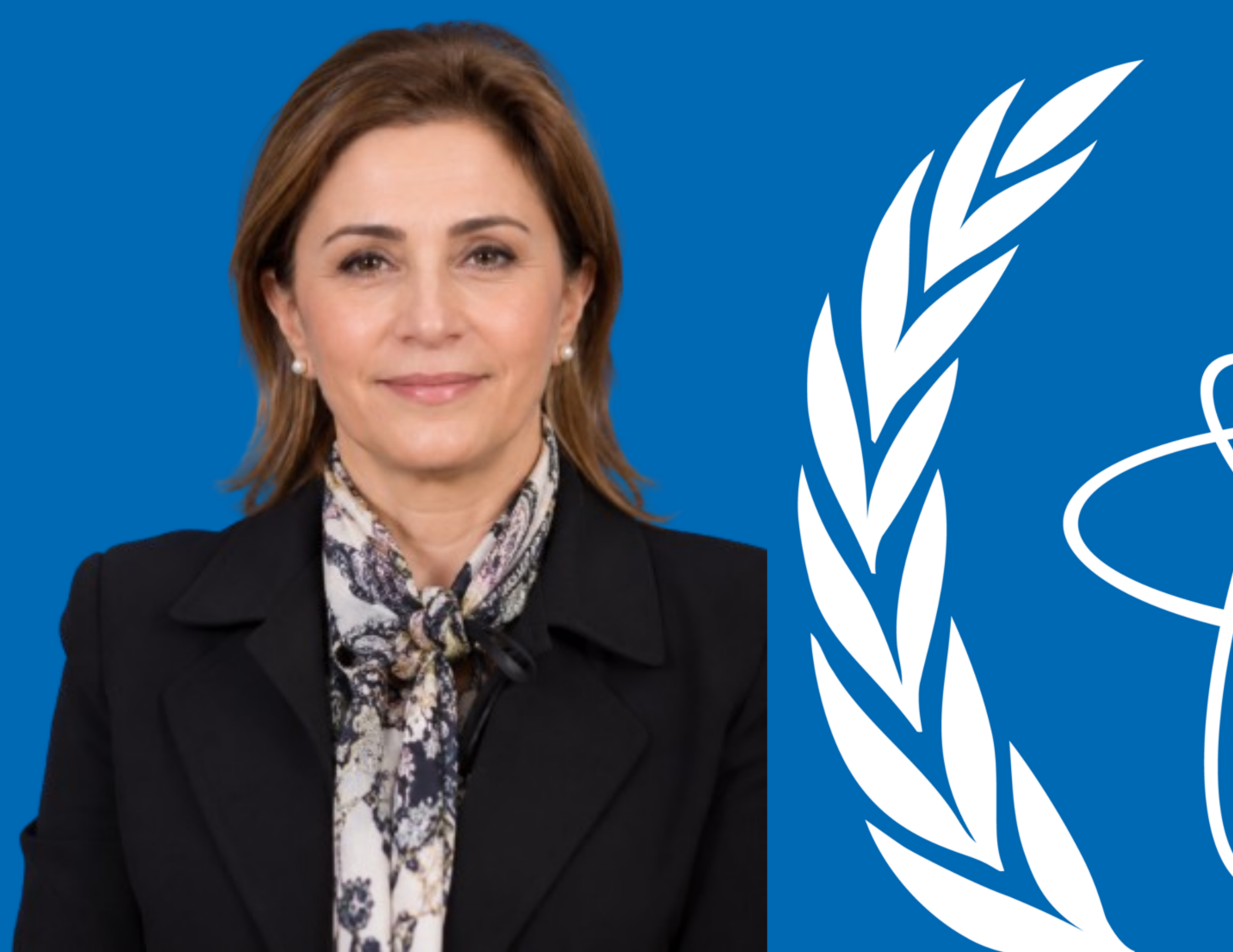
Dr. Bou Khozam holds a PhD in Analytical Chemistry from the University of Pau and Pays de l’Adour, France. She specializes in food safety, food authenticity, regulatory compliance, and laboratory competence. Prior to joining the International Atomic Energy Agency (IAEA), Dr. Bou Khozam worked at the Lebanese Atomic Energy Commission, where she headed the Inorganic Analytical Laboratories. She led and contributed to several research projects on food safety and authenticity, including the determination of Lebanese olive oil fingerprints for adulteration detection and geographical traceability, the verification of compliance of organically produced crops, and the assessment of biota contamination in fertilizer production areas along the Lebanese coast.
In 2024, Dr. Bou Khozam joined the International Atomic Energy Agency, where she leads initiatives to strengthen Food Safety Monitoring Programmes and enhance the technical capacities of IAEA Member States in the areas of food safety, traceability, authenticity, and regulatory compliance, including the application of food irradiation treatment. She supports the development and implementation of analytical methodologies, laboratory networks, and capacity-building activities aimed at improving national food control systems and protecting consumers.
“From Stable Isotope Fingerprints to Digital Traceability: Advancing Food Identification and Verification“
Dr. Selva Marroquin
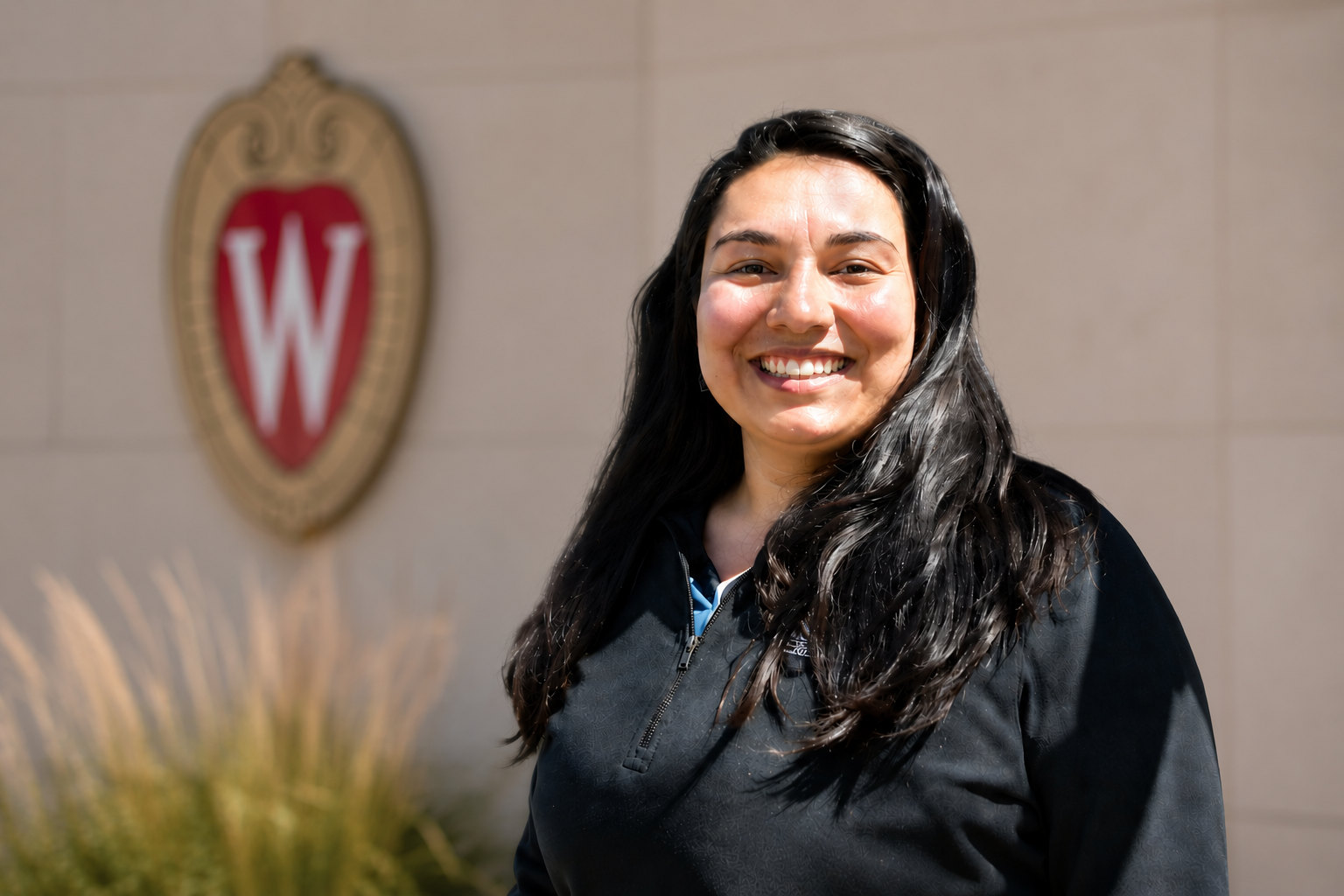
Dr. Marroquín is an assistant professor in the Department of Geoscience at the University of Wisconsin. She runs the Earth Life Feedback Systems lab in the Department of Geoscience. Her research focuses on refining Earth System feedbacks and reconstructing environmental changes in Earth’s history by examining four of the elements essential to life: carbon, sulfur, iron, and oxygen. She focuses on geologic intervals that record perturbations to the global cycles of these elements associated with major environmental transitions, such as marine anoxia and mass extinctions. Primarily, her research focuses on tracking the development of anoxia and sulfurization as the mechanisms connecting these four principal biogeochemical cycles (i.e., carbon, sulfur, iron, and oxygen) to organic matter fluxes through time, yielding insight into a major link between the biosphere and geosphere and feedbacks. Before joining the faculty at UW–Madison, Selva did her postdoctoral work at Caltech in the Division of Geological and Planetary Sciences, where she worked to develop an isotope proxy leveraging organic sulfur and pyrite sulfur isotopes from modern marine systems.
“Integrating Multi-Isotope Approaches to Paleoclimate Studies: Combining C, O, S and N for Reconstructing Ancient Oceanic Response to Climate Change“
Dr. William Fetzer
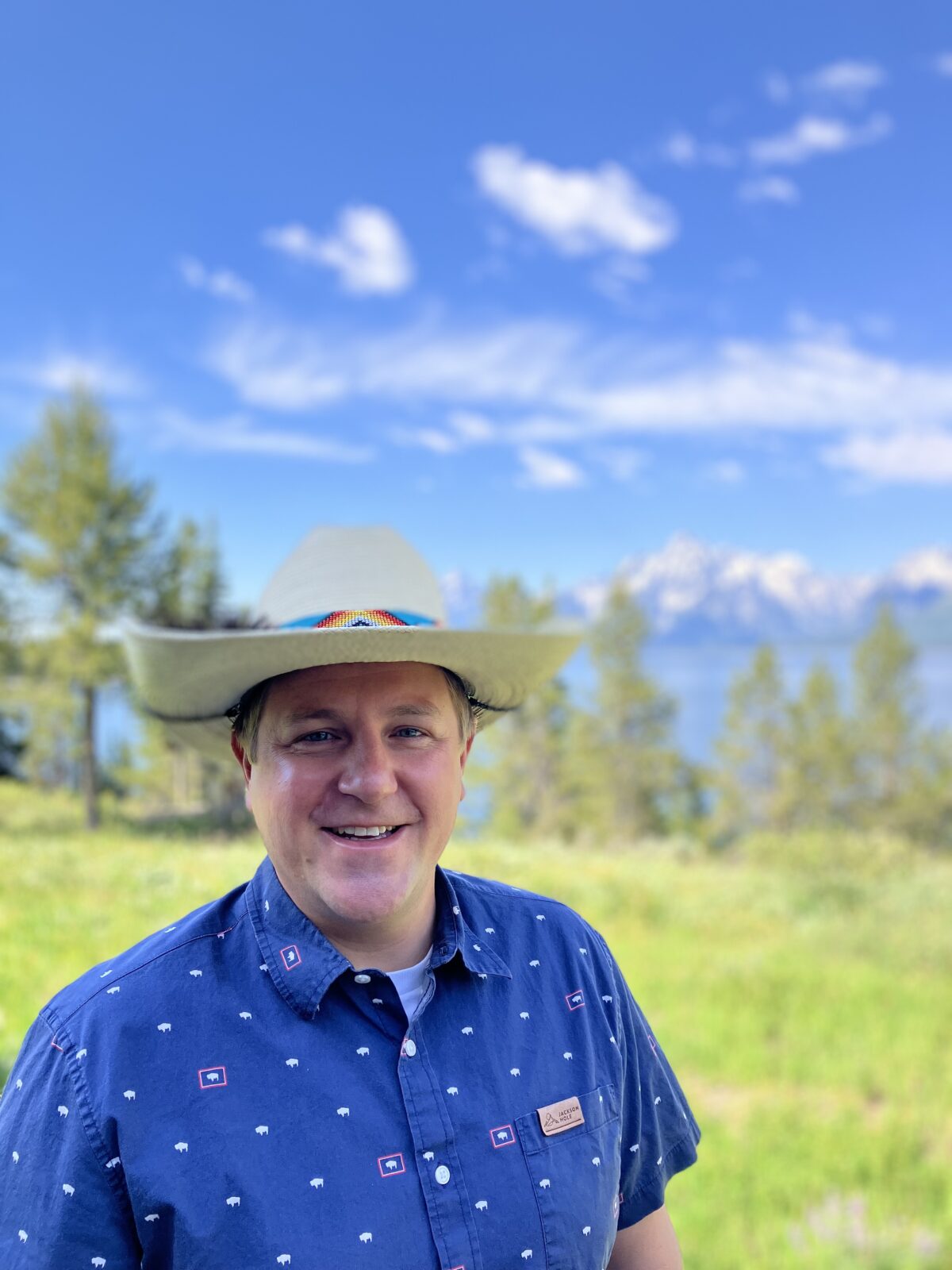
Dr. Fetzer is an assistant professor in the Department of Zoology and Physiology at the University of Wyoming. He serves as the director of the University of Wyoming Research Institute at AMK Ranch, a field station located in Grand Teton National Park, operated through a cooperative agreement between the University of Wyoming and the National Park Service. His research focuses on the conservation and management of aquatic ecosystems and freshwater fisheries. Before joining the faculty at the University of Wyoming, he was the Great Lakes Fisheries Specialist for the Wisconsin Department of Natural Resources, where he worked to bridge the gap between science and management.
“Seeing through a fish’s eye: Stable isotope analyses of fish eye lenses to understand life history“